

The Dog-Human Bond: An Ancient Relationship with Modern Benefits
26th August 2026


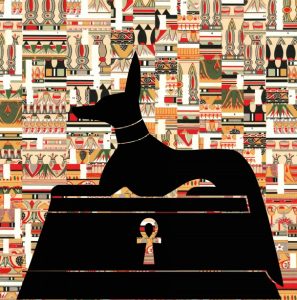
Ancient Egypt is famous for their reverence of cats. Cat statues and feline gods are familiar motifs throughout Egyptian history. Less well known however, is the Ancient Egyptians’ veneration of dogs. They prized fast, sleek dogs, not too dissimilar to today’s greyhounds, for use in hunting and alongside their soldiers. While others were kept as guards and as household pets by families across the social strata, from peasant farmers to the Pharoahs. On death, dogs were often mummified and buried at their owners’ feet, along with symbolic offerings, so that they could be reunited in the afterlife. One of the earliest dogs in history that we know by name was a sighthound called Abitiu, who lived over 4500 years ago, was honoured with a burial in a coffin from the royal treasury, fine linens to keep him comfortable, and a tomb built by ‘gangs of masons’ near the Great Pyramids of Giza. Another royal canine, a hunting dog, was discovered in the Valley of the Kings, in the dusty burial complex of Pharoah Amenhotep II, interred close to his owner alongside a leather collar, a food container, and a perfume bottle.
Herodotus, the ancient Greek historian writing in the 5th century BC, tells us that dogs in ancient Persia were protected animals and their lives held in the same esteem as humans, while other sources elaborate, telling us that the Egyptians gave dogs the same great respect as the Persians. In the Ancient Egyptian Late Period, about 2500 years ago, any killing of an animal that was particularly venerated in a particular town or region, even an accidental one, was a very serious crime. Perhaps not surprising by a culture that had come to see dogs as sacred symbols associated with the jackal-headed god, Anubis.
Today, while we are not customarily buried with our dogs in death, you only have to glance at Instagram or visit your local park to realise that the human-animal bond remains as strong as ever. It is estimated that the UK’s dog population now stands at 15.5 million, with 41% of households including a canine companion as part of the family. And, as in Ancient Egypt, our relationship with dogs is about far more than their practical usefulness: living alongside them can bring significant physical, social, and emotional benefits. By improving the uptake of regular exercise through frequent walking, they may help reduce the overall risk of cardiovascular disease and obesity, whilst stroking a dog or playing fetch has been found to be able to reduce anxiety and stress.
But the benefits of canine companionship extend beyond exercise and stress relief. The companionship itself and love that dogs offer can reduce feelings of loneliness, as can improved social interaction from pet ownership: it’s a great conversation starter! Caring and interacting with dogs meanwhile, can foster a sense of purpose and provide a sense of accomplishment, both essential to better mental health, while improving cognitive function in older adults that has been linked to reducing the chance of developing dementia. Organisations such as Dogs for Good demonstrate just how transformative the human-canine bond can be, training dogs to support people with disabilities and helping more people experience the life-changing benefits of canine companionship.
From the Nile Valley thousands of years ago, to our own homes today, our relationship with dogs has endured for thousands of years. While the way we care for and show love to our canine companions may have evolved, the bond between people and dogs remains just as important and just as strong. As we continue to benefit from their companionship, it is our responsibility that we ensure dogs receive the right care, protection and support they need to live healthy and happy lives. That means putting animal health and welfare at the heart of the policies that shape their lives and ensuring that decision-makers recognise the value of the human-animal bond. That is something that NOAH will continue to strive for every day.